
Beginner Tips for Composting at Home: A Simple Guide to Get Started
Composting at home is a rewarding way to reduce waste while producing nutrient-rich soil for your garden. If you’re new to composting, it might seem a bit confusing at first, but this guide will break down everything you need to get started easily. Whether you have a large backyard or just a small balcony, composting is possible and beneficial.
What is Composting?
Composting is the natural process of recycling organic materials—like food scraps and yard waste—into a dark, rich soil amendment called compost. This compost improves soil health, promotes plant growth, and helps reduce landfill waste.
Why Compost at Home?
– Reduce waste: Composting keeps food scraps and yard waste out of landfills, which helps lower greenhouse gas emissions.
– Improve your garden soil: Compost adds valuable nutrients and helps the soil retain moisture.
– Save money: By making your own compost, you can reduce the need for chemical fertilizers.
– Support the environment: It encourages sustainable living and helps your garden flourish naturally.
Getting Started: What You’ll Need
Before you begin, gather the basics:
– Compost bin or pile: You can buy a compost bin, build one, or simply use a designated outdoor spot.
– Organic waste: This includes kitchen scraps and garden waste (more on what to add below).
– Water: Moisture is important to help break down materials.
– Aeration tool: A pitchfork or garden fork helps to turn the compost.
What to Compost: The Basics of "Greens" and "Browns"
Compost works best with a balance of two types of materials:
Greens (Nitrogen-rich)
– Fruit and vegetable scraps
– Coffee grounds and filters
– Tea bags (without synthetic materials)
– Fresh grass clippings
– Plant trimmings
Browns (Carbon-rich)
– Dry leaves
– Straw or hay
– Shredded paper or cardboard (avoid glossy paper)
– Sawdust (from untreated wood)
– Small branches or twigs
A good rule of thumb is to aim for a mix of roughly two parts browns to one part greens.
What Not to Compost
Avoid adding these items, as they can attract pests, cause odors, or disrupt the composting process:
– Meat, fish, bones, and dairy products
– Oils and greasy foods
– Diseased plants or weeds with seeds
– Pet waste
– Chemically treated wood or yard waste
Step-by-Step Guide to Composting at Home
1. Choose Your Composting Method
– Compost bin: Ideal for small yards or if you want a tidier system. You can get bins made of plastic, wood, or metal.
– Compost pile: Works well if you have a large outdoor area and don’t mind an open pile.
– Tumbler: A rotating drum helps speed up composting and makes turning easier.
– Vermicomposting: Using worms to break down food scraps indoors; great for apartment dwellers.
2. Find the Right Spot
Place your compost bin or pile in a dry, shaded, and well-drained spot with good air circulation. Avoid placing it directly on concrete to allow beneficial organisms from the soil to enter.
3. Start Adding Materials
Alternate layers of greens and browns, starting with a layer of browns at the bottom to help drainage. Chop or shred larger scraps to speed up decomposition.
4. Keep It Moist
Your compost should be about as damp as a wrung-out sponge. Water it occasionally if it becomes too dry, especially in hot or dry weather.
5. Turn Your Pile Regularly
Aerating your compost by turning it with a pitchfork every 1-2 weeks introduces oxygen that helps microbes break materials down faster. If you’re using a tumbler, spin it every few days.
6. Be Patient
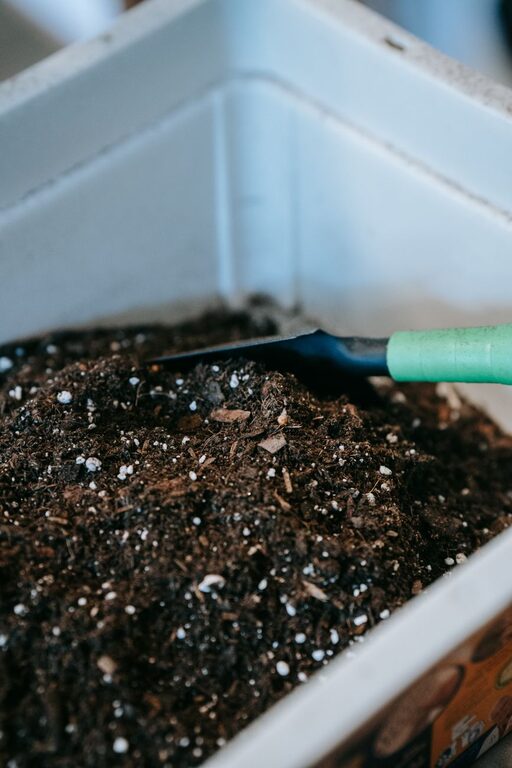
Composting takes time! Depending on conditions and materials, it can take anywhere from 2 months to a year for compost to be ready. Finished compost looks dark, crumbly, and smells earthy.
Troubleshooting Common Issues
– Bad odor: Usually means the pile is too wet or has too many greens. Add more browns and turn it.
– Pile is dry and slow to decompose: Moisturize it and add greens.
– Pests: Cover food scraps with browns, avoid adding meats or dairy, and make sure the bin is secure.
– Compost not heating up: Try adding fresh greens and make sure the pile is big enough (about 3×3 feet).
Tips for Success
– Chop food scraps before adding to speed decomposition.
– Avoid adding weeds that have gone to seed to prevent spreading.
– Collect scraps in a kitchen compost bin or bucket to make it easier to transfer.
– Use finished compost in garden beds, pots, or to enrich lawn soil.
Conclusion
Composting at home is a simple, eco-friendly activity that benefits both your garden and the planet. By following these beginner tips, you can turn your organic waste into valuable compost with minimal effort. Start small, be consistent, and enjoy watching your garden thrive with nutrient-rich soil!
Happy composting!
