
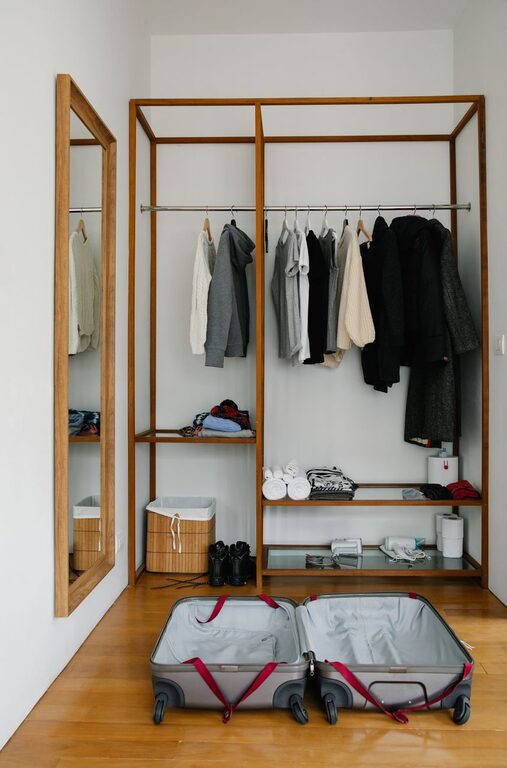
How to Store Seasonal Clothes Efficiently for a Clutter-Free Home
Storing seasonal clothes efficiently is a great way to keep your home neat and your wardrobe manageable throughout the year. Whether you’re packing away winter coats or summer dresses, having a clear system helps protect your garments and saves space. This guide will walk you through practical steps to store seasonal clothes properly, so they stay fresh and easy to access when needed.
Why Proper Seasonal Storage Matters
Clothing that’s stored without care can become wrinkled, damaged, or even attract pests. Efficient storage:
– Protects clothes from dust, moisture, and insects
– Saves valuable closet and shelf space
– Makes it easier to find items when seasons change
– Prolongs the lifespan of your garments
Taking time to prepare your seasonal clothes for storage pays off in convenience and garment care.
Step 1: Clean Your Clothes Before Storage
Before packing clothes away, make sure each item is clean. Stains or dirt can set over time and attract moths or other pests. Follow these tips:
– Wash or dry-clean clothes according to their care labels
– Ensure items are fully dry before packing to prevent mold
– Repair any loose buttons, missing hooks, or small tears
Clean clothes stored in a dry, cool place stay in better condition for longer.
Step 2: Sort and Declutter
Use this seasonal storage time as an opportunity to declutter your wardrobe:
– Separate items by type (e.g., sweaters, jackets, pants)
– Decide if you want to keep, donate, or discard each piece
– Consider donating clothes you haven’t worn in the last year
Less clothes mean less storage space and a more organized wardrobe when you switch seasons.
Step 3: Choose the Right Storage Containers
Selecting appropriate containers helps protect your clothes and keeps them organized.
Types of Storage Options:
– Plastic bins with sealable lids: Waterproof and pest-resistant, ideal for heavy items like coats.
– Vacuum-sealed bags: Great for saving space by compressing bulky clothes.
– Fabric storage bags: Breathable and suitable for delicate fabrics.
– Under-bed storage boxes: Convenient for small spaces.
Use containers that fit your storage area and protect clothes from dust and moisture.
Step 4: Prepare Clothes for Storage
Proper preparation helps avoid wrinkles and damage.
– Fold clothes neatly to minimize creases. Avoid hanging knits as they can stretch.
– For delicate items, use acid-free tissue paper between folds.
– For bulky coats or sweaters, avoid overpacking bins to maintain shape.
– Place sachets of lavender or cedar blocks inside containers to deter moths naturally.
Avoid storing clothes in direct sunlight or damp areas to prevent fading and mildew.
Step 5: Label Everything Clearly
Labeling your storage containers saves time when you need to find something later.
– Use simple, visible labels indicating contents (e.g., “Winter Sweaters”).
– You can also create a checklist of what’s inside and tape it to the container.
– Consider numbering containers and keeping a master list if you have many storage bins.
Clear labels reduce frustration and make seasonal wardrobe changes smoother.
Step 6: Choose Suitable Storage Locations
The storage location is just as important as the packing method.
– Store containers in cool, dry places away from direct sunlight.
– Avoid basements and attics if they’re prone to temperature swings or moisture.
– Closets, spare bedrooms, or under-bed areas often work well.
Check stored clothes periodically to ensure they remain in good condition.
Bonus Tips for Seasonal Clothing Storage
– Rotate your wardrobe: When switching seasons, place freshly unpacked clothes at the front for easy access.
– Use garment bags for special pieces: Protect delicate or expensive items by storing them in breathable garment bags.
– Keep an inventory photo: Taking pictures of stored items helps identify what you have without opening every container.
– Use humidity absorbers: Small silica gel packs or moisture absorbers can protect clothes from dampness.
Conclusion
Storing seasonal clothes efficiently doesn’t have to be overwhelming. By cleaning, sorting, packing properly, and choosing the right storage solutions, your clothes will stay fresh and organized. This simple process helps you maintain a clutter-free home and enjoy your wardrobe year-round. Start today, and your future self will thank you when it’s time to swap out the seasons!
